Traditional Japanese Living In Modern Times
Modern life moves at an astonishing pace. Notifications never stop, trends change overnight, and many people find themselves searching for a lifestyle that feels more meaningful and sustainable. Amid this constant acceleration, Japanese cultural traditions offer a fascinating perspective on how simplicity, purpose, and balance can coexist with modern convenience.
The enduring appeal of the traditional japanese living lifestyle comes from its ability to transform ordinary moments into meaningful experiences. Rather than focusing on excess, this approach encourages people to appreciate what truly matters, creating a sense of harmony that remains highly relevant in today's fast-changing world.
Core Principles Of Traditional Japanese Living
Before exploring specific habits and practices, it is important to understand the philosophy that forms the foundation of traditional Japanese living. These principles influence everything from home design and daily routines to social relationships and personal well-being.
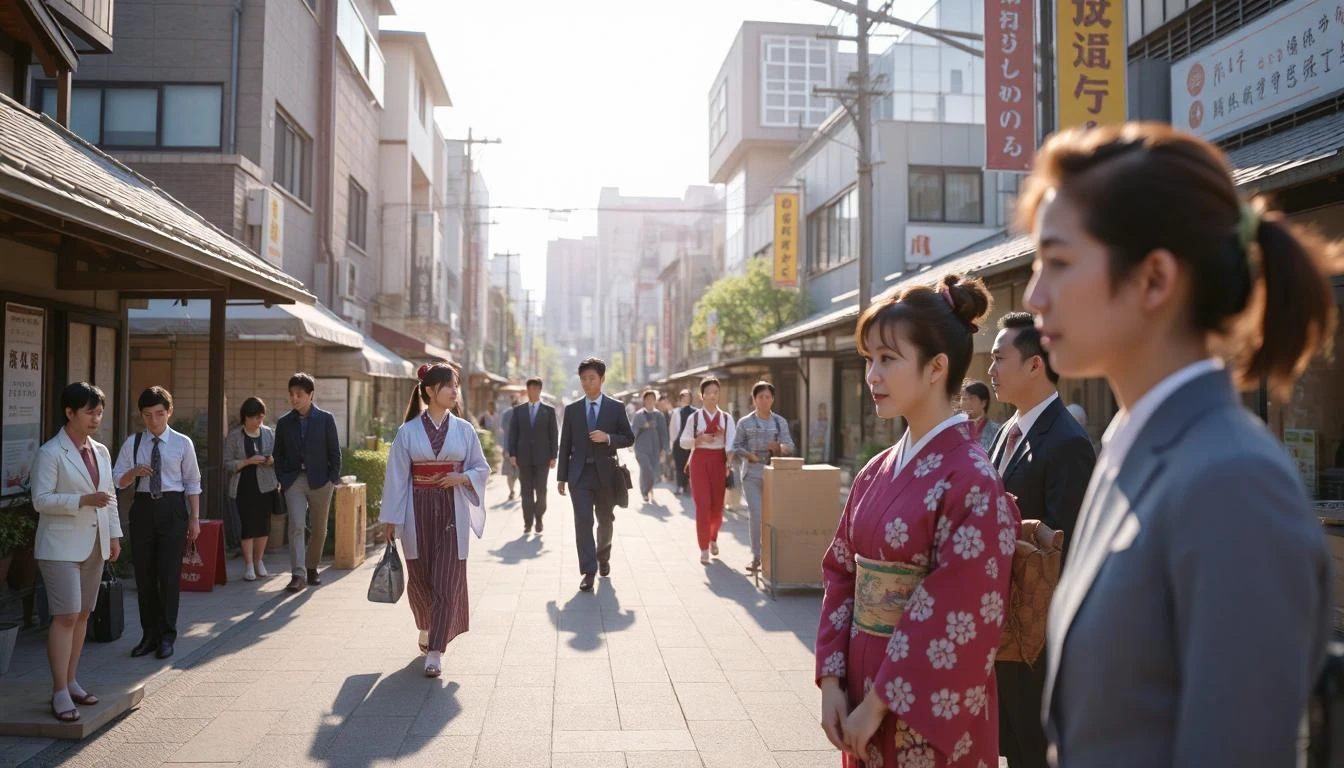
The concept of modern traditional japanese living demonstrates that cultural heritage is not trapped in the past. Instead, it continues evolving while preserving values that help people navigate modern challenges with greater clarity and purpose.
Simplicity and Mindfulness in Daily Life
Simplicity is one of the most recognizable characteristics of Japanese living. Instead of filling life with unnecessary possessions or distractions, the focus remains on keeping only what serves a meaningful purpose. This mindset encourages people to slow down and become more aware of their surroundings.
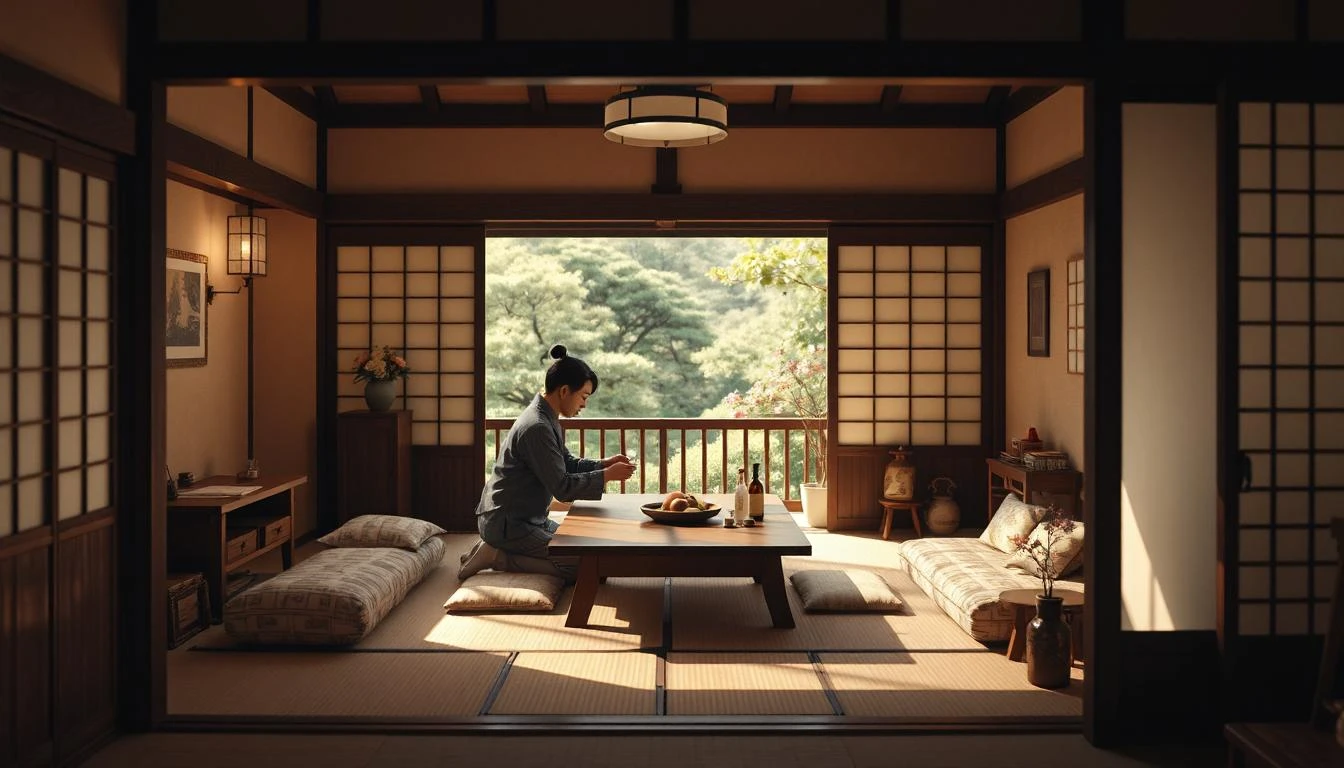
Mindfulness naturally follows simplicity. Everyday activities such as preparing meals, organizing a room, or enjoying a cup of tea become opportunities to practice presence and appreciation. These small moments may seem ordinary, yet they often create the strongest sense of fulfillment over time.
Respect for Nature and Seasons
Nature plays a central role in Japanese culture. Seasonal changes are embraced rather than ignored, influencing food choices, celebrations, interior design, and daily activities. This connection encourages people to live in harmony with their environment instead of constantly trying to control it.
Many modern sustainability movements reflect similar values. Choosing seasonal ingredients, reducing waste, and appreciating natural beauty are practices that help create a deeper relationship with the world around us while supporting a more balanced lifestyle.
The Importance of Community Values
While personal growth is important, Japanese culture also emphasizes collective well-being. Communities often work together to maintain shared spaces, celebrate local traditions, and support one another through various stages of life.
These values remain relevant today, especially in a world where digital communication can sometimes replace genuine human connection. Strong communities provide a sense of belonging that contributes significantly to long-term happiness and resilience.
Traditional Practices In Contemporary Homes
Traditional Japanese homes have inspired architects and homeowners around the world. What makes them particularly interesting is their ability to combine practicality, beauty, and flexibility without feeling excessive or complicated.
As architect and author Kengo Kuma once observed, "Architecture should connect people with nature." This idea continues to influence contemporary Japanese living spaces, where natural materials and thoughtful design create environments that feel calm and inviting.
Tatami and Multifunctional Spaces
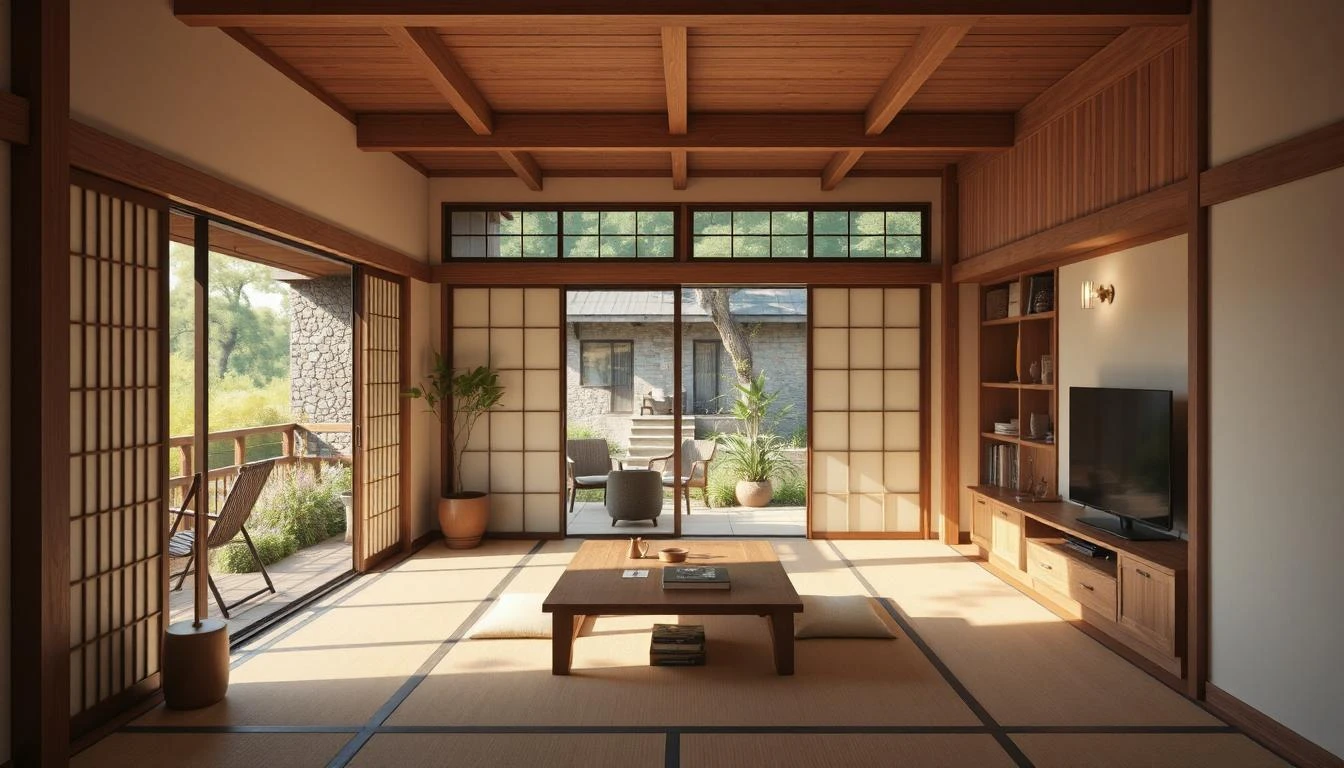
Tatami rooms remain one of the most iconic features of traditional Japanese homes. Their flexibility allows a single room to serve multiple functions throughout the day, making efficient use of available space.
This concept is particularly appealing in modern urban environments where living areas are often limited. Multifunctional spaces demonstrate how thoughtful design can enhance comfort without requiring larger homes or additional resources.
Modern Use of Japanese Craftsmanship
Japanese craftsmanship continues to be admired worldwide for its precision, quality, and attention to detail. Traditional techniques are often combined with contemporary design, creating products that feel both timeless and practical.
From handcrafted furniture to artisan ceramics, these items represent more than simple decoration. They reflect a philosophy that values durability, functionality, and respect for the maker's skill.
Balancing Comfort with Tradition
Contemporary Japanese households successfully integrate modern technology while preserving traditional elements. Smart appliances may coexist with natural wood interiors, sliding doors, and carefully curated living spaces.
This balance demonstrates that tradition and innovation do not have to compete with one another. Instead, they can complement each other to create environments that support both comfort and cultural identity.
Daily Habits Rooted In Japanese Culture
Many of the most influential aspects of Japanese living are not found in buildings or objects but in everyday habits. These routines help transform cultural values into practical actions that shape daily life.
Understanding these habits provides valuable insight into why Japanese lifestyle principles continue to inspire people around the globe.
Organized Living Routines
Organization is often viewed as a pathway to peace of mind. Maintaining clean spaces, following consistent schedules, and preparing ahead for daily activities can reduce stress and increase productivity.
These routines create structure without becoming restrictive. As a result, people gain more time and energy to focus on meaningful experiences rather than unnecessary distractions.
Seasonal Celebrations and Customs
Seasonal traditions serve as reminders to pause and appreciate the passing of time. Festivals, family gatherings, and cultural ceremonies create opportunities to strengthen relationships while celebrating shared heritage.
These customs also encourage people to remain connected with their local communities and natural surroundings, reinforcing values that often become overlooked in modern life.
Mindful Approaches to Consumption
Japanese culture frequently encourages thoughtful consumption rather than impulsive purchasing. Quality is often prioritized over quantity, leading to more intentional buying decisions and less waste.
This philosophy has become increasingly relevant as consumers seek sustainable alternatives and greater awareness of how their choices affect both personal well-being and the environment.
Bring Traditional Japanese Living Into Your Everyday Life
Adopting elements of traditional Japanese living does not require a dramatic lifestyle transformation. Small adjustments such as reducing clutter, appreciating seasonal experiences, practicing mindfulness, and choosing quality over quantity can gradually create meaningful change.
Author and organizing expert Marie Kondo famously stated, "The objective of cleaning is not just to clean, but to feel happiness living within that environment." Her perspective reflects a broader Japanese principle: creating spaces and habits that support a more intentional way of life. When viewed through this lens, traditional Japanese living becomes less about following rules and more about cultivating balance, purpose, and appreciation for everyday moments.
If there is one lesson worth carrying forward, it is that a meaningful life is often built through small, consistent choices rather than dramatic changes. Perhaps the most rewarding step is simply to begin noticing the beauty and value that already exist in your daily routine. Explore these principles, adapt them to your own lifestyle, and discover what balance means for you.