Japanese Home Design Trends For 2026
The way people think about home design is changing rapidly. Modern homeowners are no longer searching only for beautiful interiors; they want spaces that improve daily life, support well-being, and create a stronger connection with nature. As living habits continue to evolve, Japanese-inspired homes have emerged as a leading source of inspiration, blending timeless aesthetics with practical functionality that fits contemporary lifestyles.
Among the most searched concepts in residential architecture today, japanese home design ideas continue to attract homeowners, architects, and interior designers who are looking for a balance between simplicity, comfort, and innovation. The design direction for 2026 introduces a fresh perspective that combines traditional Japanese principles with smart technologies, sustainable materials, and adaptable living spaces that meet modern expectations.
The Rise Of Modern Japanese Interiors
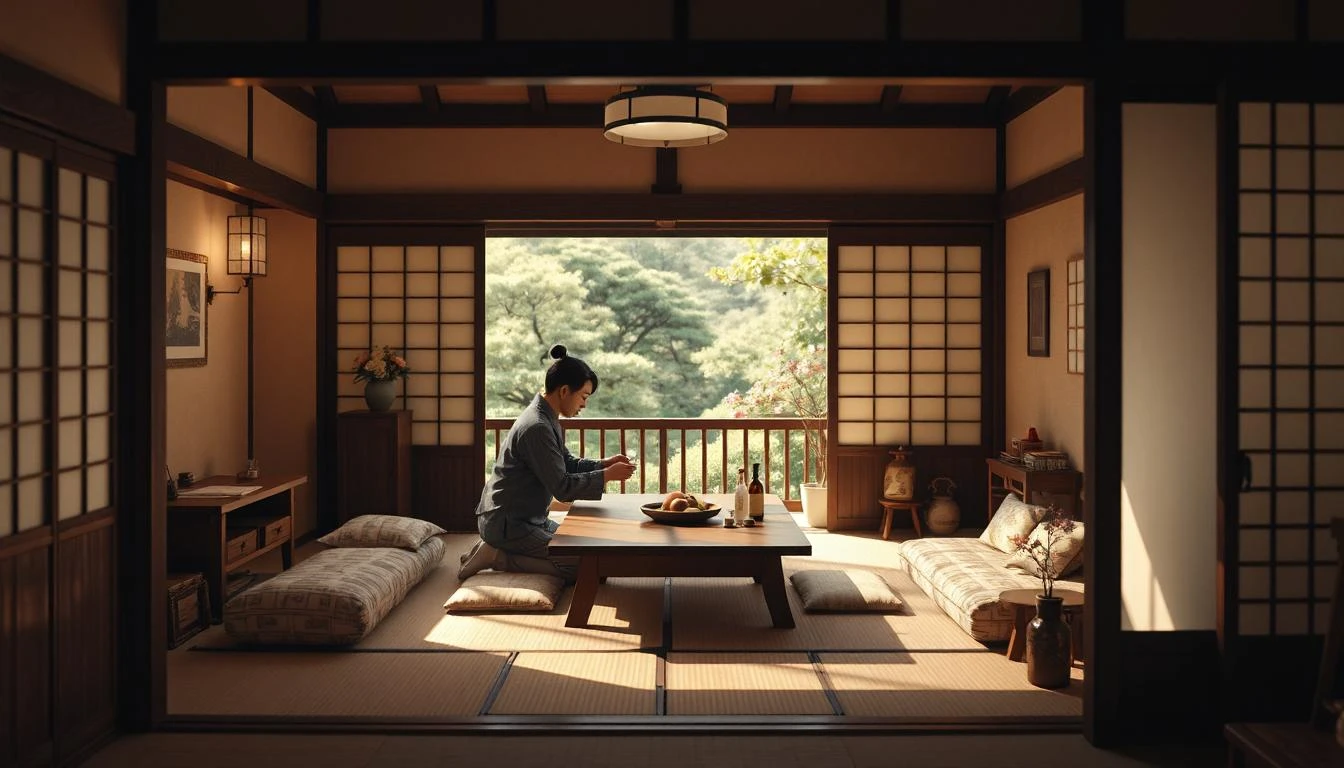
As more people seek calmer and more intentional living environments, japanese home design trends are becoming increasingly influential across the global housing market. Rather than focusing on excess, these interiors prioritize harmony, purpose, and functionality, creating spaces that feel both elegant and practical.
Clean and Uncluttered Layouts
One of the defining features of modern Japanese interiors is the emphasis on clean and uncluttered layouts. Every element within a room serves a purpose, eliminating visual distractions and creating a sense of openness. This approach not only improves aesthetics but also contributes to a more relaxing atmosphere where residents can focus, recharge, and enjoy their surroundings.
The popularity of open floor plans, concealed storage solutions, and multifunctional areas continues to grow because they allow homeowners to maximize available space without sacrificing comfort. In densely populated urban areas, these design principles have become especially valuable.
Natural Materials and Textures
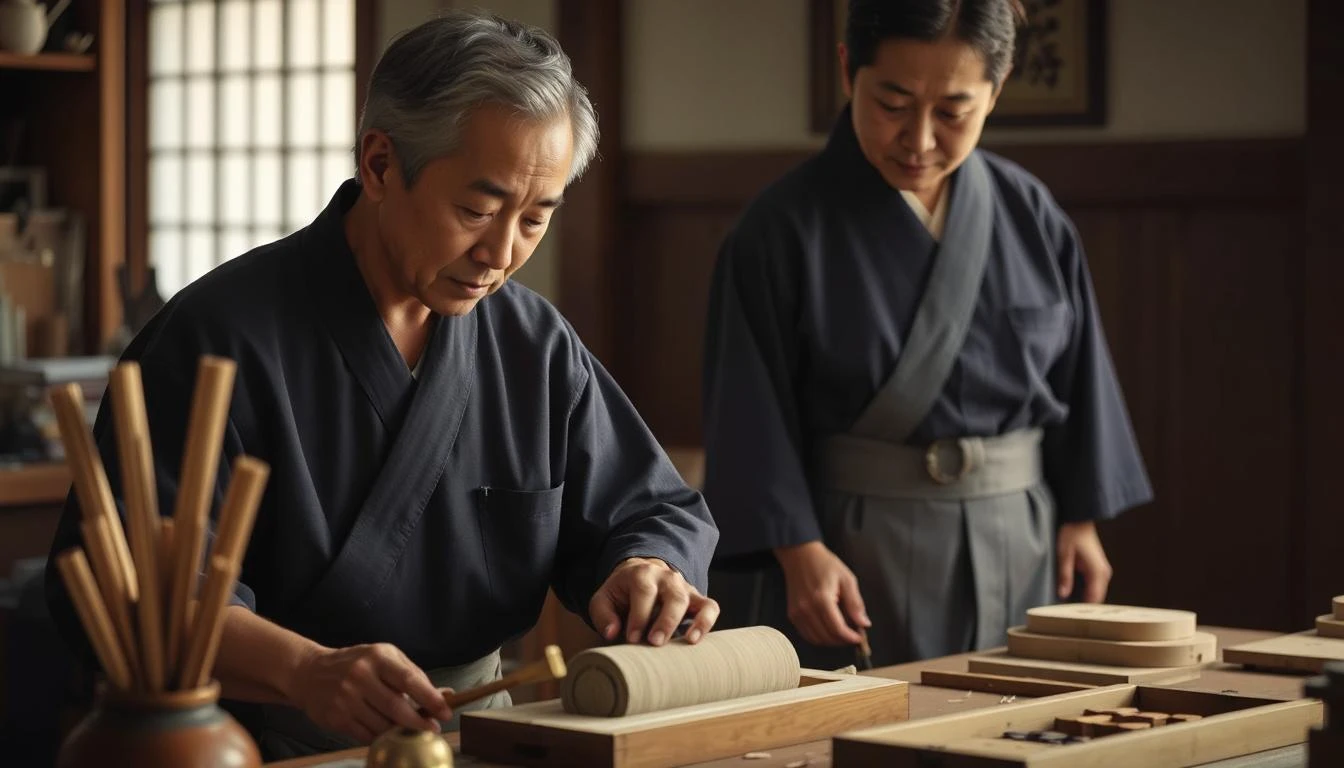
Natural materials remain at the heart of Japanese home design. Wood, stone, bamboo, linen, and handcrafted finishes introduce warmth and authenticity while strengthening the connection between indoor environments and nature.
Architects increasingly incorporate biophilic design principles that encourage natural light, airflow, and organic textures throughout the home. According to renowned Japanese architect Kengo Kuma, architecture should create a meaningful relationship between people and nature, a philosophy that continues to shape contemporary residential projects worldwide.
Functional Space Optimization
Efficient use of space has always been a cornerstone of Japanese design philosophy. Rather than expanding square footage unnecessarily, designers focus on making every area more useful and adaptable.
Built-in storage systems, sliding partitions, foldable furniture, and modular layouts allow homeowners to customize their living spaces according to changing needs. This practical approach is particularly appealing for smaller homes where flexibility is essential.
Smart Features In Japanese Homes
Technology is becoming an integral part of residential design, but Japanese homes approach innovation differently. Instead of allowing technology to dominate the interior, smart features are seamlessly integrated to enhance convenience while preserving visual simplicity.
Energy Efficient Home Solutions
Energy efficiency has become a major priority for homeowners and developers alike. Modern Japanese homes increasingly utilize advanced insulation systems, solar energy solutions, and intelligent climate control technologies that reduce energy consumption while improving indoor comfort.
These innovations help lower long-term utility costs and support environmentally responsible living. As sustainability becomes a global concern, energy-efficient housing solutions are expected to play an even greater role in future residential developments.
Integrated Smart Technology
The rise of smart home ecosystems has transformed how residents interact with their living spaces. Automated lighting, voice-controlled devices, “intelligent security systems, and remote climate management are becoming standard features in many new Japanese-inspired homes.”
What makes these technologies particularly appealing is their ability to simplify everyday routines without disrupting the clean aesthetic that defines Japanese interior design.
Sustainable Building Concepts
Sustainability extends beyond energy efficiency. Modern Japanese homes increasingly incorporate recycled materials, low-impact construction methods, rainwater harvesting systems, and environmentally conscious building practices.
These concepts align with growing consumer demand for homes that are not only beautiful but also responsible. Architect and sustainability advocate Shigeru Ban has often emphasized that thoughtful architecture should minimize environmental impact while improving quality of life, a principle reflected in many emerging housing projects.
Popular Design Elements For 2026
Several design elements are expected to dominate Japanese-inspired interiors throughout 2026. These features reflect changing homeowner preferences while preserving the timeless characteristics that make Japanese design so appealing.
Earth Tone Color Palettes
Neutral and earthy colors continue to define contemporary Japanese interiors. Shades such as warm beige, muted green, clay brown, soft gray, and natural wood tones create calming environments that promote relaxation and visual balance.
These palettes also provide versatility, making it easier to combine traditional materials with modern furnishings and technology.
Indoor Outdoor Living Spaces
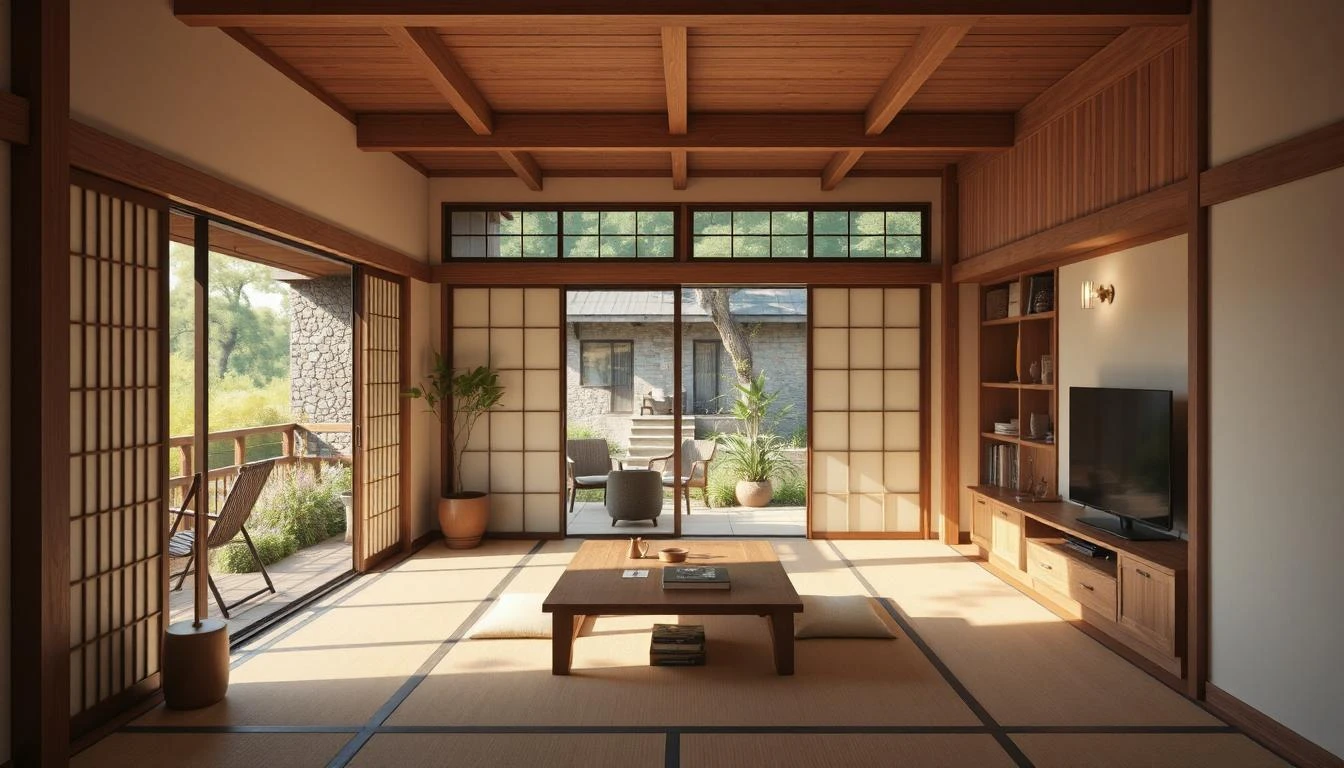
The connection between indoor and outdoor environments is becoming stronger than ever. Large windows, sliding glass doors, interior gardens, and courtyard-inspired layouts help blur the boundaries between the home and nature.
This design approach encourages natural light, improves ventilation, and creates a greater sense of openness throughout the property. It also reflects a growing desire for wellness-oriented living spaces that support mental and physical well-being.
Minimalist Furniture Selections
Furniture choices for 2026 continue to embrace simplicity and purpose. Rather than filling rooms with decorative items, homeowners are selecting fewer pieces that offer both beauty and functionality.
Low-profile seating, natural wood furniture, and streamlined silhouettes help maintain a clean aesthetic while maximizing comfort. This minimalist approach reinforces the overall philosophy of intentional living that defines Japanese-inspired homes.
Explore Japanese Home Design Ideas For Your Next Project
Whether you are planning a complete renovation or simply updating a few rooms, Japanese-inspired design principles offer valuable lessons that can transform how a home feels and functions. Small changes such as reducing clutter, introducing natural materials, maximizing daylight, and choosing versatile furniture can have a remarkable impact on everyday living.
The appeal of Japanese design extends beyond aesthetics. It represents a thoughtful way of living that values quality over quantity, purpose over excess, and harmony over complexity. As homeowners continue searching for spaces that support both comfort and sustainability, these principles are likely to become even more relevant in the years ahead.
If you are considering your next home improvement project, now may be the perfect time to explore how Japanese-inspired design can bring greater balance, efficiency, and beauty into your everyday environment. The future of home design may be evolving rapidly, but the timeless wisdom behind Japanese interiors remains as relevant as ever.